Physical manhwa and digital manhwa can offer very different value, even when the story is the same. A paperback or hardcover gives you a permanent object you can shelve, lend, or resell. A digital platform gives you immediate access, a phone-friendly reading experience, and pricing that may be based on a membership or individual episode unlocks. Neither format is automatically the better deal.
The useful question is not simply whether print or digital costs less. You also need to check which English edition is available, whether your favorite series is included in a membership, and what kind of access you actually receive. Manhwa means Korean comics, while webtoon usually describes a format designed for vertical scrolling. The two terms overlap, but they are not interchangeable. Our history of manhwa from print to digital explains that background in more detail.
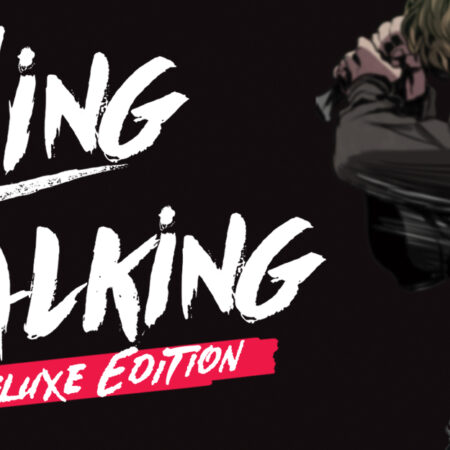
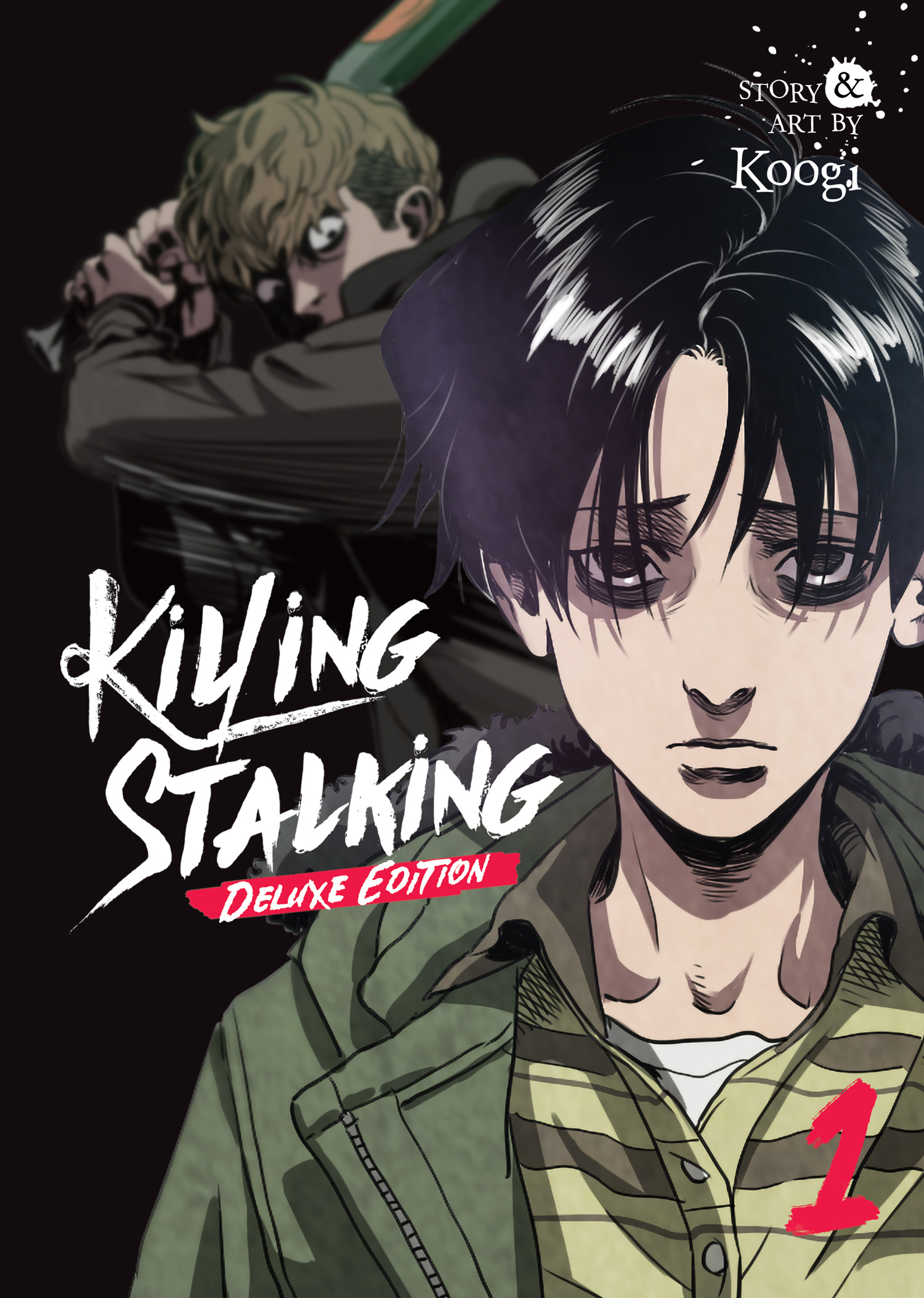
Featured image: official Seven Seas promotional art for Killing Stalking: Deluxe Edition, one of the print editions compared below. Source: Seven Seas Entertainment. Official publisher material used for identification and commentary; it is not ManhwaHive product photography or evidence of a hands-on review. Verified November 20, 2026.
Physical Manhwa vs Digital Manhwa: Quick Comparison
| Factor | Physical Manhwa | Digital Manhwa |
|---|---|---|
| Upfront cost | Publisher list price plus any retailer shipping or local tax | Free episodes, a membership, or episode unlocks depending on the platform |
| What you receive | A paperback or hardcover copy | Access through an account, app, or platform license |
| Availability | Depends on licensing, print runs, retailer stock, and region | Depends on the catalog, license, country, and platform rules |
| Reading style | Fixed pages, shelves, and no battery requirement | Vertical scrolling, search, bookmarks, and offline options where supported |
| Sharing or resale | You can lend or sell your own copy | Usually non-transferable; check the platform terms |
Price Comparison: Physical Manhwa vs Digital Manhwa
There is no single trustworthy industry-wide price for a physical volume or a digital episode. Publishers set different prices by edition, page count, format, and market, while platforms can change memberships and unlock requirements. The examples below are therefore reference points, not universal averages. They are US list prices or platform charges displayed on first-party pages on November 20, 2026; retailer discounts, shipping, tax, promotions, and regional pricing can change what you pay.
| Verified example | Format | Displayed US price | What the official page specifies |
|---|---|---|---|
| My Life as an Internet Novel, Volume 2 | Ink Pop hardcover | $24.99 | 288 pages; published February 3, 2026 |
| PULSE, Vol. 1 | Seven Seas paperback | $19.99 | 208 full-color pages |
| Killing Stalking: Deluxe Edition, Vol. 1 | Seven Seas paperback | $29.99 | 448 full-color pages; larger deluxe trim |
| Manta Standard Membership | Digital membership | $4.99 per month | Access to the 300+ series Unlimited Library; Gem-required titles are separate |
These examples show why “print costs $15 to $25” and “digital chapters cost a fixed dollar amount” are misleading shortcuts. The Ink Pop listing for My Life as an Internet Novel, Volume 2 identifies a hardcover, while the two Seven Seas examples are paperbacks with different lengths. Format and edition matter just as much as the title.
Physical costs beyond the cover price
Compare the final checkout total rather than the list price alone. A retailer may discount a book but add shipping, while an independent bookstore may charge the full list price and offer local pickup. International orders can add delivery charges, import fees, or regional availability limits. For a multi-volume series, check the cost of the volumes currently available instead of assuming every future volume will keep the same price.
Used copies can reduce the cost of an out-of-stock or older edition, but condition and completeness matter. Confirm the printing, cover, language, and whether any advertised insert is actually included. A low-priced listing is not automatically a bargain if the volume is damaged or is a different edition from the one you want.
Digital costs depend on the access model
Digital reading is not one business model. A platform may provide free episodes, sell or award virtual currency, include selected titles in a membership, or combine those systems. The most accurate way to budget is to open the official title page and check what is free, what requires an unlock, and whether the series belongs to a subscription library.
Digital Manhwa: Access, Convenience, and Limitations
Immediate reading and device flexibility
Digital platforms remove the need to wait for a parcel or find a local bookstore with the right volume. You can read on a phone, tablet, or supported browser, keep your place across sessions, and carry a large library without physical storage. For readers discovering the medium, this makes it easy to sample several series before buying a favorite in print. If you are comparing services, see our guide to legal manhwa reading platforms.
Subscriptions: check what “unlimited” covers
Manta illustrates why the wording matters. Its official membership page lists Standard at $4.99 billed every month and includes access to more than 300 series in the Unlimited Library. The same page also promotes Gem bundles, so the membership should not be described as covering every title on the service. Some catalog entries require Gems. Our Manta, Tapas, and Tappytoon comparison provides additional platform context, but the official checkout and title page should be your final price check.
A membership is often useful when you read several included series regularly. If you follow only one title, or that title is outside the Unlimited Library, compare the membership with the available unlock options before subscribing. Also check renewal terms, cancellation rules, and whether access to included titles ends when the membership is no longer active.
Pay-per-episode unlocks: the displayed requirement is authoritative
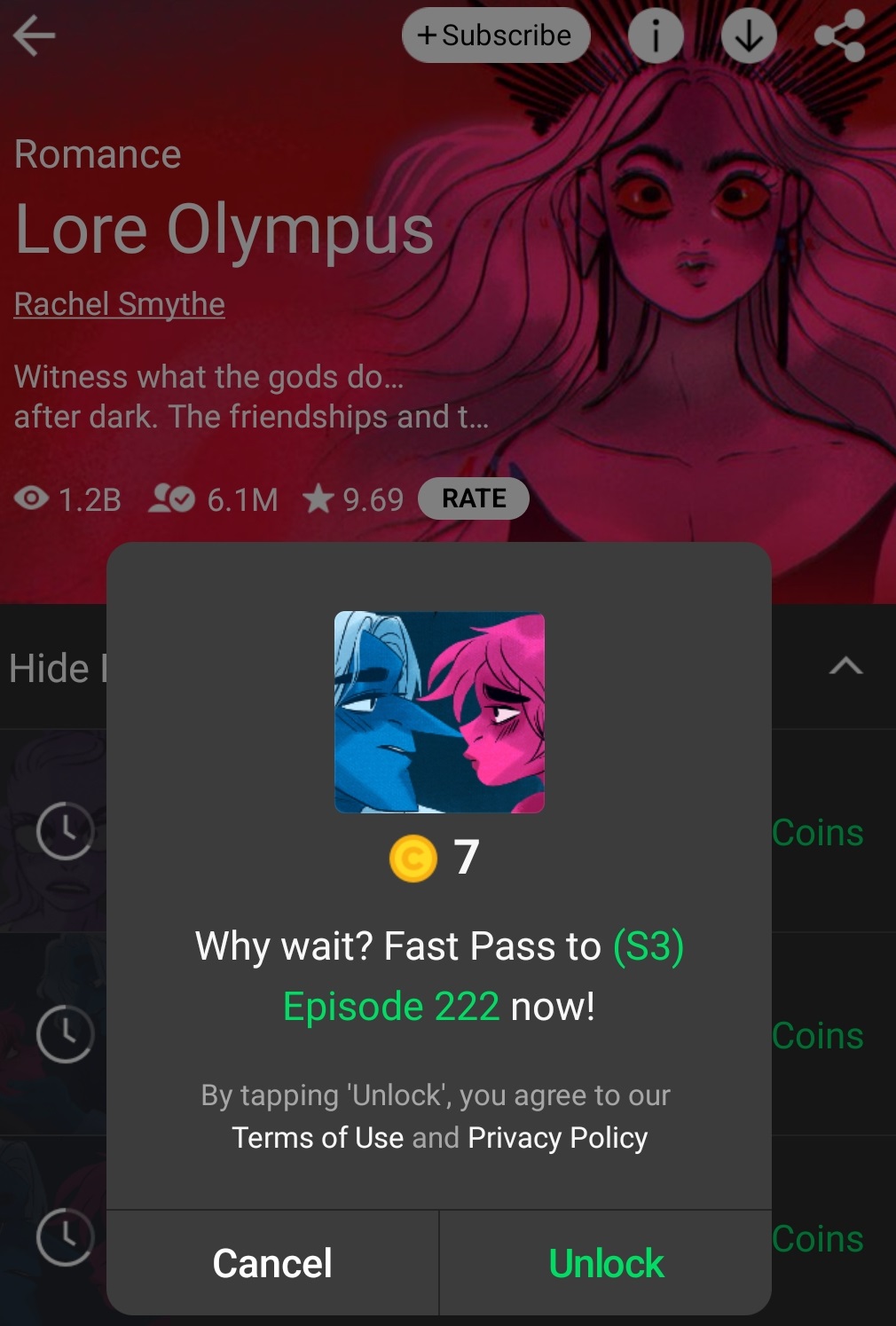
WEBTOON’s official help center says that the number of Coins required for a Fast Pass unlock varies by series. It does not support a universal dollar-per-episode claim. The actual prompt for the series you are reading is therefore more reliable than a general estimate copied from another title or an old article.
Digital purchases are usually licensed access
A digital unlock is not the same as owning a transferable physical book. WEBTOON’s current Terms of Use describe digital content as licensed rather than sold, with a limited, non-transferable license. The terms also say availability can vary by location and change over time. Other platforms have their own agreements, so do not assume that an unlock, a downloaded episode, and a subscription all carry identical rights.
Offline reading also needs a platform-specific check. A download feature may be temporary, limited to certain devices, or require an active account. Keep your login details secure and review the service terms before building a large paid library in one place.
Physical Manhwa: Ownership, Editions, and Availability
A durable copy with flexible ownership
The strongest practical advantage of print is straightforward ownership. Your copy does not depend on an app remaining compatible with your phone, and you can lend it, donate it, or sell it. You can also inspect the paper, binding, trim size, and printing before deciding whether a particular edition deserves shelf space.
Print is especially appealing when a publisher releases a deluxe or larger-format edition. However, “deluxe” is not a universal specification. Check the publisher page for page count, trim, color, and included extras rather than assuming that every deluxe volume contains the same bonus material.
Availability can be the deciding factor
Not every digital manhwa receives an English print license. Even after a license is announced, release timing depends on the publisher’s schedule. Retail stock can also differ between countries. Seven Seas’ Webtoons line page points readers to bookstores and online retailers, while noting that availability varies by retailer and that some retailers ship internationally. Digital catalogs can also be region-specific, as WEBTOON’s terms explain, so neither format guarantees worldwide access.
For a new release, check the publisher’s on-sale date rather than treating a retailer preorder estimate as a firm promise. For an older volume, compare several legitimate sellers and confirm whether the book is in stock, on backorder, or only available secondhand.
Color, Formatting, and Reading Comfort
Do not assume that every webtoon is full color or that every print edition is black and white. The two Seven Seas examples in the price table are explicitly listed as full color. Other editions may make different production choices, so consult the individual title page. Print converts a scrolling presentation into fixed pages, which can change panel arrangement and pacing; digital preserves the intended scroll on supported screens.
Your device and reading habits matter too. A phone is convenient for vertical scrolling, while a tablet or larger display may be more comfortable for detailed artwork. Print avoids screen glare and battery concerns but adds weight and storage needs. Accessibility features such as zoom depend on the app, while the text size of a physical edition is fixed by its printing.
Which Format Should You Choose?
Choose digital if you want to sample and follow releases
Digital is the practical starting point when you want immediate access, read across several series, or prefer not to store physical books. Start with free episodes where available, then compare the cost of a membership with the cost of unlocking only the titles you actively follow.
Choose physical if a favorite deserves a permanent edition
Print makes sense when you value ownership, reread a series, want a particular trim or deluxe presentation, or plan to collect the available volumes. It is also the clearer option if you want the freedom to lend or resell your copy later.
Using both can be the most economical strategy
You do not have to choose one format for your entire library. Sample digitally, identify the stories you genuinely expect to reread, and buy those selectively in print. This avoids paying for shelves of volumes you may never finish while still supporting the editions you care about most.
Practical Checklist Before You Pay
- Confirm the title and language. Similar covers can represent different languages, editions, or volume numbering.
- Check the exact format. Hardcover, paperback, deluxe, membership, and episode unlocks are not interchangeable products.
- Use the current official price. Publisher list prices and platform charges can change; screenshots and old sell sheets may be outdated.
- Read the subscription exclusions. An “Unlimited Library” may be only one part of a platform’s full catalog.
- Check regional availability. A title available in one country may not be licensed in another, in print or digitally.
- Calculate the complete physical order. Include shipping, possible import charges, and the number of volumes you actually plan to buy.
- Keep digital account access secure. Your paid library may depend on the account and the platform’s license terms.
If you are still building your first reading list, our beginner’s guide to reading manhwa can help you choose a series before you compare formats.
Conclusion: Match the Format to the Way You Read
Digital manhwa is usually the faster way to sample a series and follow a large reading list, while physical manhwa offers durable ownership and a collectible edition. The better value depends on the specific title, edition, membership coverage, region, and how often you expect to reread it.
Start with the official title page in both formats. Compare the current print edition’s final checkout price with the real digital unlock or membership terms. For many readers, the best answer is a hybrid library: read broadly on legitimate digital platforms and buy physical copies of the stories that earn a lasting place on the shelf.
Sources
All sources below are first-party publisher or platform pages. Prices, membership offers, and availability were checked on November 20, 2026 and may change.
- Seven Seas Entertainment — Seven Seas Webtoons line and format overview (Official)
- Seven Seas Entertainment — Killing Stalking: Deluxe Edition, Vol. 1 price, format, page count, and official artwork (Official)
- Seven Seas Entertainment — PULSE, Vol. 1 price, format, and page count (Official)
- Penguin Random House Retail / Ink Pop — My Life as an Internet Novel, Volume 2 hardcover listing (Official)
- WEBTOON Support — How do I use Coins? (Official)
- WEBTOON — Service Terms of Use, digital-content licensing, and regional availability (Official)
- Manta — Membership tiers, Unlimited Library, and Gem information (Official)