
If you are new to Asian comics, the terms manga and manhwa might sound interchangeable, but they represent two distinct comic traditions with unique formats, reading experiences, and industry structures. Understanding the manhwa vs manga debate goes far beyond simple geography; it requires looking at how each medium is created, consumed, and structured for modern audiences. Whether you are a longtime fan of Japanese anime or a newcomer looking for your next great read, breaking down these differences will help you navigate the booming world of East Asian sequential art.
The Core Differences at a Glance
To immediately understand the manhwa and manga differences, it helps to look at the foundational elements of each medium side-by-side. The following comparison table highlights the structural and visual distinctions that define how these comics are produced and consumed.
| — | — | — |
| Country of Origin | Japan | South Korea |
| Reading Direction | Right to left | Left to right (vertical scroll) |
| Typical Format | Printed chapters in magazines | Vertical scroll (webtoon) |
| Color | Black & white | Full color |
| Publishing Model | Weekly/monthly print magazines | Digital platforms (WEBTOON, Tapas) |
| Episode Length | 15–20 pages per chapter | 40–80 panels per episode |
| Demographics | Shounen, Shoujo, Seinen, Josei | No formal demographic labels |
| Creator Title | Mangaka | Manhwaga |
Origin and Terminology
In South Korea, manhwa developed through both print comics and a growing digital publishing ecosystem. Webtoons later adapted that tradition for online and mobile reading.
Linguistically, the words are cousins. Manga, manhwa, and the Chinese manhua all derive from the same characters meaning “impromptu sketches.” However, the industries behind them developed very differently, leading to the distinct formats we see today.
Reading Direction and The Webtoon Format
The most immediate physical difference between the two is how you actually read them. Manga follows the traditional Japanese reading direction, flowing from right to left, top to bottom. If you open a physical manga volume, the panels are designed to be consumed in this specific order, which can initially feel counterintuitive for Western readers.
NAVER WEBTOON launched in 2005, according to WEBTOON Entertainment’s official brand history. Its digital format releases episodes chapter by chapter and displays them in a continuous vertical layout optimized for mobile scrolling.
Color, Art Style, and Visual Pacing
Manga is famously black and white. This is a deliberate, practical choice: monochrome art allows artists to keep up with grueling weekly serialization schedules and keeps physical printing costs low. The reliance on screentones and high-contrast ink gives manga its distinctive, expressive look, with highly stylized character designs that have been refined over a century of print history.
Manhwa is usually full color. Because webtoons are digital-first, there are no physical printing costs to worry about. This allows artists to use vibrant, painterly colors, cinematic lighting, and detailed fashion as core parts of the visual experience. Manhwa art tends toward more realistic proportions and highly detailed backgrounds, often looking like concept art for a high-budget video game. The full-color format, combined with the vertical scroll, allows for unique visual pacing where a single panel can take up an entire phone screen, forcing the reader to pause and absorb the artwork. Because of this digital-first pipeline, a single lead artist on a popular webtoon often works with a dedicated studio of three to five assistants handling backgrounds and coloring, a stark contrast to the solo or small-team ink-and-screentone workflow of traditional mangaka.
Publication Models and Industry Ecosystems
The business models behind manga and manhwa are entirely different beasts. Manga is a print-first industry. New chapters debut in thick weekly or monthly anthology magazines like Weekly Shōnen Jump. Once a series gains traction, chapters are compiled into physical tankōbon volumes. Digital editions exist, but print remains the financial heart of the industry.
Manhwa is digital-first. The modern manhwa industry grew out of webtoon platforms, with series published as episodes on apps and websites. Physical volumes are much rarer. To help you navigate where to read these digital-first series, here is a breakdown of the major official platforms:
| — | — | — |
| WEBTOON | Manhwa / Webtoons | Massive free library, daily passes, community comments |
| Tapas | Manhwa / Novels | Ink system, premium episodes, strong romance/fantasy focus |
| Tappytoon | Manhwa / Manga | Premium currency, early access to popular titles |
| Manta | Manhwa | Subscription-based model, no pay-per-episode |
| Crunchyroll | Manga / Anime | Official manga simulpub, massive anime streaming library |
WEBTOON Entertainment reports approximately 159 million monthly active users across its ecosystem as of the quarter ended September 30, 2026. That global reach helps explain why digital-first Korean comics now reach readers well beyond their original market.
Manhua: The Third Pillar of East Asian Comics
While manga and manhwa dominate global discussions, manhua represents the third major pillar of East Asian comics. Originating in China, manhua shares the left-to-right reading direction and full-color digital formats of manhwa. However, it typically features 30 to 60 panels per episode, sitting between manga and manhwa in length. Platforms like Bilibili and Kuaikan drive the manhua industry, heavily integrating multimedia elements like animated panels and synchronized soundtracks directly into the scrolling experience.
Storytelling, Demographics, and Genre Trends
Manga is strictly categorized by target audience demographics: Shōnen (boys), Shōjo (girls), Seinen (young men), and Josei (young women). This demographic labeling dictates the magazine a series is published in and heavily influences the storytelling tropes. Manga covers virtually every genre, from action and romance to cooking, sports, and workplace drama, with decades of refined storytelling conventions.
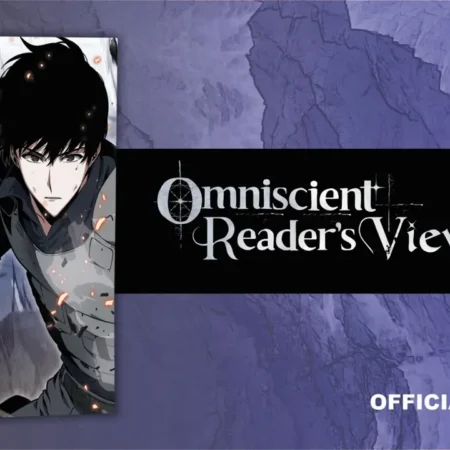
Manhwa does not use formal demographic labels. Instead, genres are driven by platform trends and reader data. Manhwa is particularly strong in action/fantasy, romance, and the highly popular “system” or “regression” stories, where characters level up via a video-game-like interface or restart their lives with knowledge from the past. Titles like Solo Leveling, Tower of God, and Omniscient Reader’s Viewpoint have defined these trends, proving that manhwa storytelling is highly optimized for binge-reading and global appeal. This storytelling style has also fueled a massive adaptation boom, with popular manhwa increasingly being adapted into anime and K-dramas. For instance, Solo Leveling made history as the first Korean webtoon to receive a full Japanese anime adaptation by A-1 Pictures, while titles like Sweet Home and All of Us Are Dead became massive global hits on Netflix, demonstrating the medium’s cross-cultural commercial viability.
Which Should You Choose? A Reader’s Matrix
Deciding between manga and manhwa ultimately comes down to your personal reading preferences. Use this quick comparison matrix to find your ideal starting point. For specific recommendations, check our guide to the best manhwa to read in 2026:
- Choose Manga If:
- You prefer the tactile experience of physical volumes and print magazines.
- You enjoy highly stylized, expressive black-and-white art.
- You want decades of rich, demographic-specific lore and iconic series like One Piece, Berserk, or Attack on Titan.
- You don’t mind reading right-to-left and following traditional page layouts.
- Choose Manhwa If:
- You read primarily on a smartphone or tablet and prefer a mobile-first design.
- You want stunning, full-color artwork with cinematic lighting and realistic proportions.
- You enjoy fast-paced, vertical-scroll storytelling with modern tropes like leveling systems and regression.
- You prefer left-to-right reading and binge-reading weekly digital episodes.
Sources and Verification
The following sources were consulted and independently verified for accuracy in this article:
- WEBTOON Entertainment – Our Brands (official platform history and audience data)
Conclusion
The debate between manhwa and manga isn’t about which medium is objectively better; it is about understanding two incredible, distinct approaches to sequential art. Manga offers a century of print refinement, demographic depth, and iconic black-and-white artistry. Manhwa delivers a modern, digital-first experience with breathtaking full-color visuals and scroll-optimized pacing. Both mediums are richer than ever, with manhwa increasingly crossing over into anime and K-drama adaptations, bringing Korean comics to mainstream global audiences. Interestingly, the boundaries are beginning to blur; Japanese publishers like Shueisha now release digital-first, full-color, vertical-scroll manga on platforms like Shōnen Jump+, adopting webtoon mechanics to capture mobile readers.
Whether you are diving into the sprawling, ink-drawn worlds of Japanese manga or scrolling through the vibrant, full-color panels of Korean manhwa, the most important rule is simply to read. Which medium are you diving into first? Let us know your favorite series and reading preferences in the comments below, and happy reading!


One comment